


 In this page

TL;DR: Omnichannel customer experience unifies every support channel into one platform, allowing customers to switch channels without losing context. Compared to single‑channel or multichannel models, omnichannel reduces average handle time, improves first‑contact resolution, boosts CSAT, and delivers consistent, personalized service across the entire customer journey.
Salesforce reports that 80% of customers say the experience a company provides is as important as its products and services, raising the bar for how businesses engage across channels.
Customers now expect interactions that are context‑aware, consistent, and effortless, no matter where the conversation begins.
As inquiries arrive through email, live chat, social media, and other channels, support teams often struggle to manage disconnected platforms. Without shared context, agents waste time switching tools, and customers are forced to repeat themselves.
An effective omnichannel customer experience prioritizes customer centricity by unifying all touchpoints into a continuous journey, ensuring every interaction is tailored to individual customer needs and preferences.
In this blog, we’ll explore what omnichannel customer experience is, how it differs from multichannel approaches, why it matters, and practical strategies for implementing it successfully.
What is omnichannel customer experience?
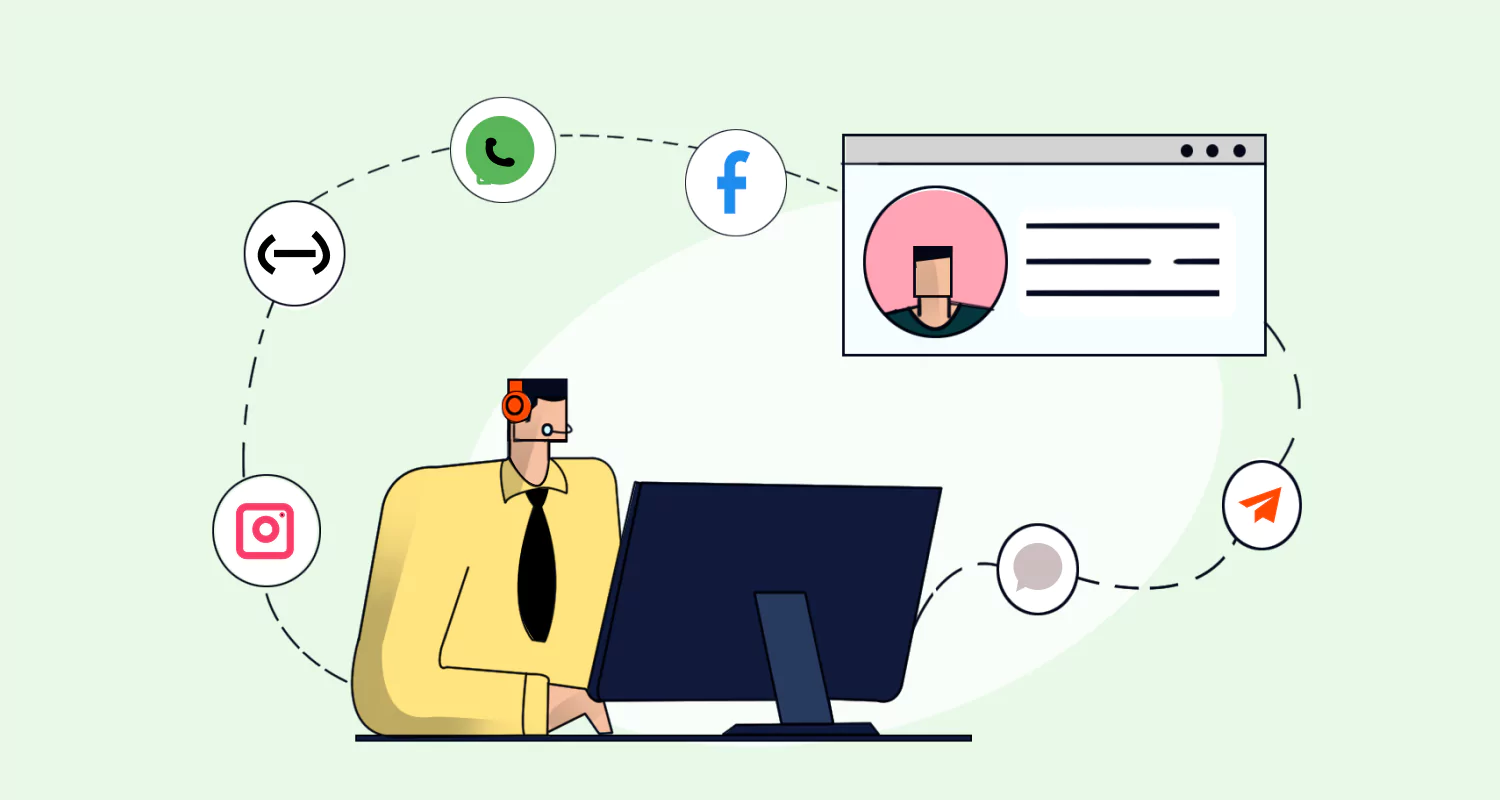
Omnichannel customer experience (CX) is a customer service strategy that unifies all communication channels, such as email, live chat, phone, social media, and messaging apps into a single, connected platform.
The omnichannel CX model is not just about offering multiple channels; it’s about maintaining continuity of conversation and customer data across every touchpoint, allowing customers to move seamlessly between channels without losing context, history, or personalization.
For example, a customer can start a conversation via live chat, follow up via email, and receive a phone call, without repeating their issue or starting over.
How does omnichannel work?
Unlike traditional multichannel customer service, where each channel operates in isolation, an omnichannel customer experience connects every customer touchpoint into one centralized system.
This isn’t just a front‑end change; it’s powered by backend integrations between the help desk, customer data platform (CDP), and communication APIs. At a practical level, omnichannel works by:
- Syncing customer identity across systems: Email addresses, phone numbers, social profiles, and messaging IDs are resolved into a single customer profile through CRM or CDP integration.
- Centralizing conversations through ticket syncing: Messages from email, chat, social media, and messaging apps are automatically merged into one ticket or conversation thread, regardless of channel.
- Preserving context across channels: Conversation history, past interactions, preferences, and metadata travel with the customer as they switch channels, eliminating repeated explanations.
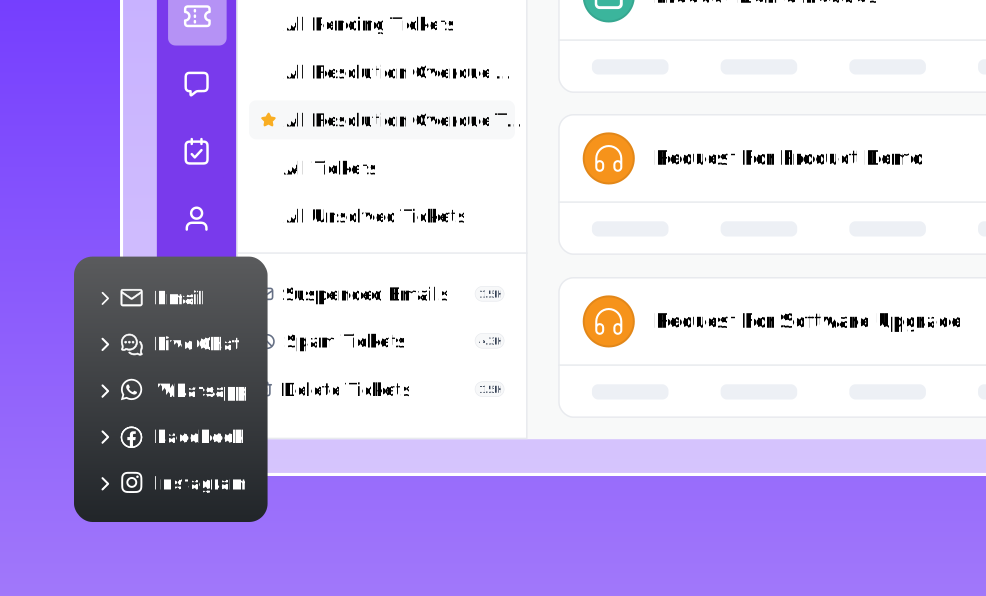
- Enabling agents to work from a unified inbox: Support teams handle all channels through a single interface, reducing tool switching and improving response speed and consistency.
- Driving faster resolution with shared data: With real‑time access to customer history and intent, agents can respond more accurately, leading to faster resolutions and higher customer satisfaction.
Difference between single channel, multichannel, and omnichannel customer experience
Although often grouped, single‑channel, multichannel, and omnichannel customer experience strategies differ significantly in how they manage data, context, and channel coordination.

- A single‑channel customer experience allows customers to interact with a business through only one communication channel, such as phone support or email. While simple to manage, this approach limits customer flexibility and often leads to poor experiences when customers expect faster, more convenient engagement options.
- Multichannel customer experience provides customers with multiple communication channels such as email, phone, chat, or social media, but each channel operates independently. This siloed approach can quickly lead to frustration and inconsistent service.
- Omnichannel customer experience connects all communication channels into a single, unified platform, enabling seamless and consistent interactions throughout the entire customer journey.
With a unified customer experience strategy, customers and agents can switch channels without losing context. Conversation history syncs automatically to a unified omnichannel inbox.
This results in faster responses and lower average handle time (AHT), improving overall customer satisfaction.
| Aspect | Single-channel CX | Multichannel CX strategy | Omnichannel CX strategy |
| Purpose | Support customers through one channel only | Offer multiple channels managed separately | Deliver seamless, personalized experiences across all channels |
| Customer journey | Linear and limited | Disjointed across channels | Unified and consistent across every touchpoint |
| Customer data | Stored in one isolated system | Siloed within each channel | Centralized and accessible from any channel |
| Personalization | Minimal | Limited by channel-specific insights | Real-time, data-driven personalization |
| Resolution time | Often slow | Slower due to lack of context | Faster through shared data and context |
| Customer view | One interaction history | Multiple fragmented profiles across different channels | Single, unified customer profile |
| Agent efficiency | Simple but restrictive | Reduced due to tool switching | High efficiency with a unified inbox |
| Best for | Very small teams or early-stage businesses | Growing businesses with basic CX needs | Customer-centric, scaling organizations |
What are the benefits of an omnichannel customer experience?
Implementing omnichannel for customer service is a smart business move that drives performance across every stage of the customer journey.
According to McKinsey, businesses that implement omnichannel strategy report revenue growth of 5-15%.
Here’s why it’s important for your business:
- Increases customer satisfaction and loyalty: Many businesses lose customers due to bad customer service caused by disconnected support. By connecting every support channel, customers can switch between platforms without losing context. This ensures customers’ needs are consistently met across all channels, encouraging repeat business.
- Boosts conversion rates: A connected experience allows customers to continue conversations seamlessly across channels, make decisions faster, and avoid frustration, resulting in fewer drop-offs and higher conversions.
- Reduces operational costs: By centralizing customer data and automating workflows, support teams spend less time switching channels or asking repetitive questions. This leads to shorter resolution times, fewer escalations, and lower support overhead.
- Delivers actionable insights: With customer experience analytics and all interactions centralized in one place, businesses gain a 360-degree customer view of behavior, preferences, and pain points. These insights help personalize future interactions, identify gaps in service, and optimize omnichannel marketing strategy.
- Enhances engagement across channels: An omnichannel support experience meets customers where they are, whether it’s mobile, desktop, or social media. This flexibility encourages ongoing interaction and keeps your brand top-of-mind throughout the customer lifecycle.
How to create an effective omnichannel experience strategy
Creating a seamless omnichannel experience isn’t just about being present on multiple platforms; it’s about delivering connected, consistent, and personalized support across every customer touchpoint.
Here’s a step-by-step guide to help you build an omnichannel customer experience strategy that works:
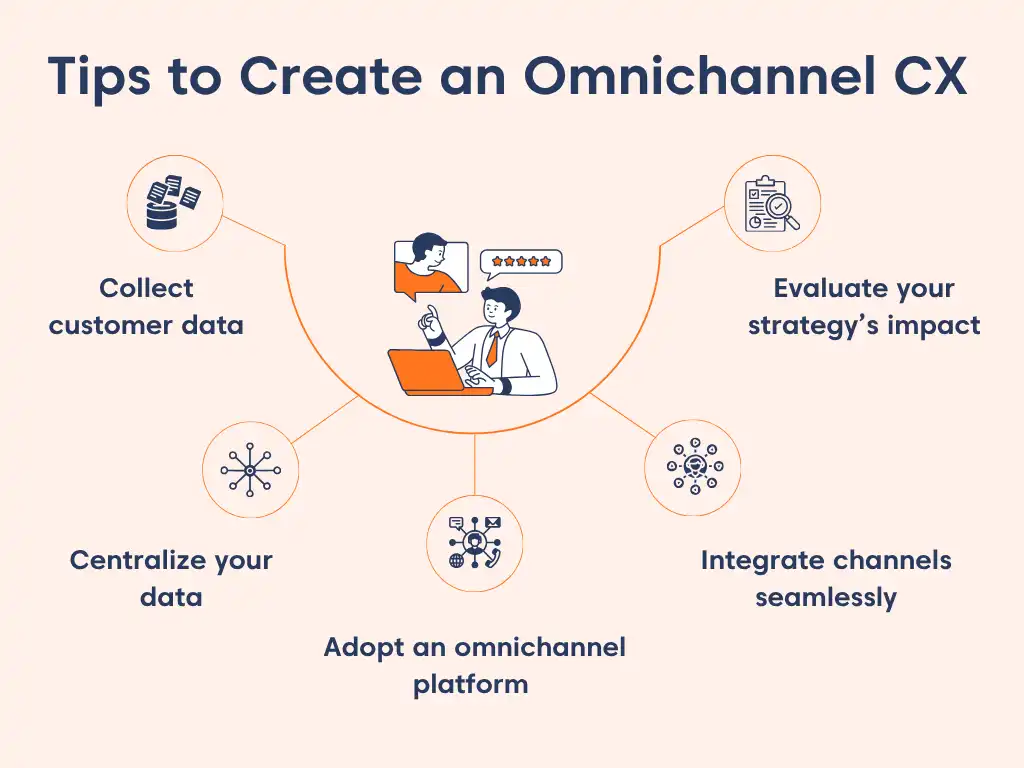
1. Collect meaningful customer data
Start by gathering insights from every interaction point to understand customer behavior, expectations, and pain points. This step focuses on learning, not system unification.
To do this effectively:
- Capture behavioral data, product usage signals, and feedback from CSAT surveys and reviews.
- Map customer journeys to identify friction points across channels.
- Build customer personas based on patterns and preferences.
- Collect insights consistently across marketing, sales, and support teams.
2. Centralize and unify your data
Once insights are collected, the next step is system unification. Omnichannel experiences depend on data flowing seamlessly between tools, so every team works from the same source of truth.
You can:
- Implement a CRM or customer data platform (CDP) to unify profiles
- Sync customer data across channels in real time
- Deduplicate records and maintain data accuracy to avoid fragmented views
This centralized data foundation improves agent productivity and enables context‑aware support.
3. Adopt an omnichannel customer experience solution
Select the best customer service software that supports omnichannel workflows, not just multiple disconnected channels. The right platform should bring conversations, customer data, and automation into one interface.
An effective omnichannel solution typically includes:
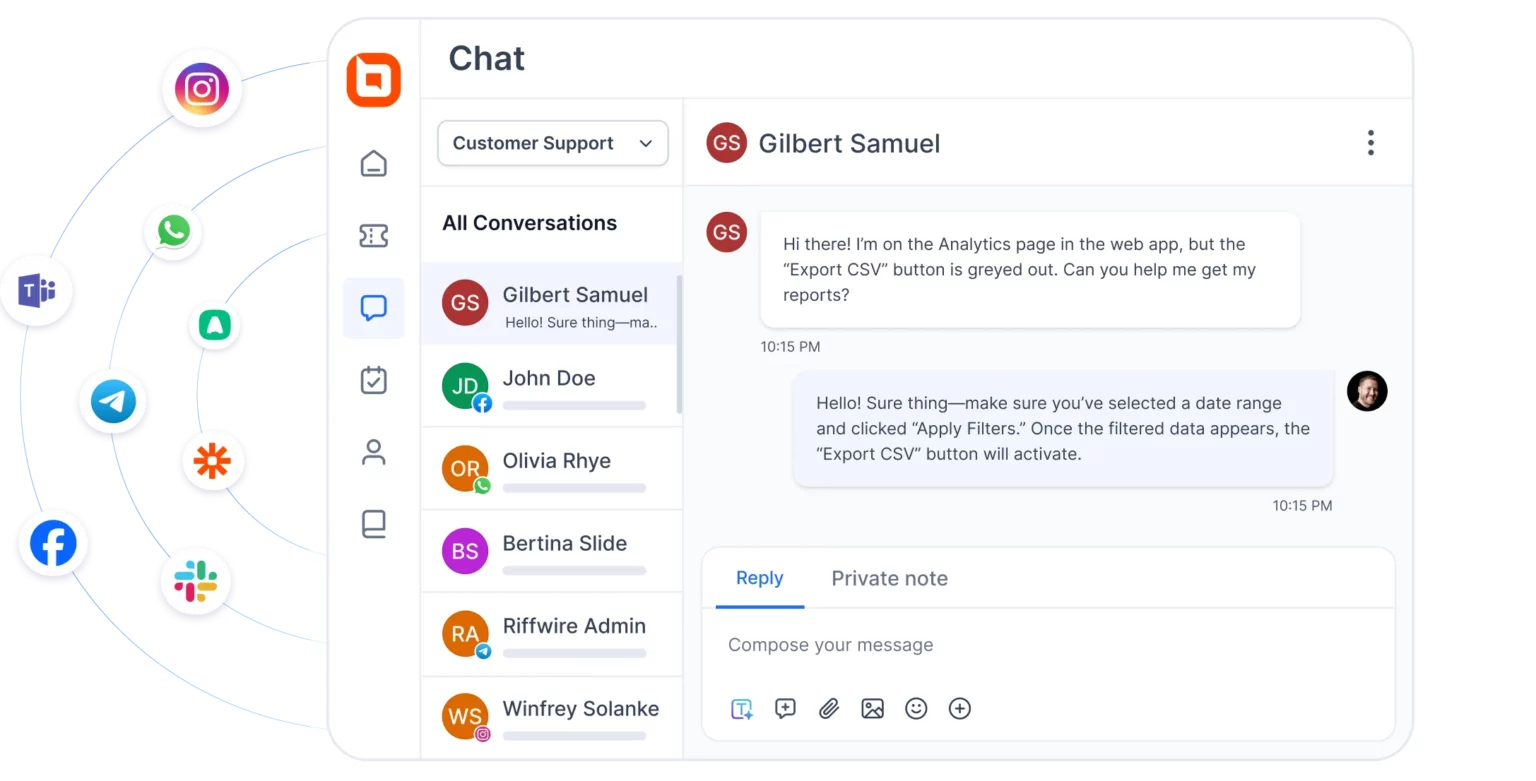
- A unified agent workspace for email, chat, phone, and social conversations
- Automation and AI to route tickets, preserve context, and reduce manual work
- Reporting and analytics to track CX performance across channels
- Flexible integrations with existing CRM, marketing, and business tools
For example, platforms like BoldDesk enable teams to connect all customer touchpoints for faster, smarter omnichannel customer service.
4. Integrate channels seamlessly
Channels must work together so customers never feel like they’re starting over when switching platforms.
To achieve this:
- Centralize interaction history for full cross‑channel visibility
- Use a unified agent workspace to manage all conversations
- Automate channel transitions to preserve context
- Sync systems in real time to prevent delays or data gaps
5. Evaluate the impact of your omnichannel strategy
Customer analytics provide valuable insights into user preferences, enabling brands to refine their omnichannel engagement strategies, align with customer expectations, and deliver consistent value.
To evaluate effectiveness:
- Track CX metrics such as CSAT, NPS, conversion rates, AHT, and FCR
- Analyze channel‑switching behavior to identify journey friction
- Use customer sentiment analysis to uncover emotional pain points
- Refine workflows, routing rules, and channel strategies based on insights
Common challenges in omnichannel CX and how to solve them
Implementing omnichannel CX can be complex, but the right approach turns obstacles into advantages.
- Data silos: When customer information lives in separate systems, context breaks down.
Solution: Unify customer data through CRM or CDP integrations to create a single, shared customer view. - Integration complexity: Connecting multiple channels and tools can strain technical teams.
Solution: Use APIs and omnichannel‑ready platforms designed to integrate smoothly with existing systems. - Change management: Agents may resist new support workflows or tools.
Solution: Roll out changes in phases, provide hands‑on training, and assign clear ownership to ensure easy adoption.
By addressing these challenges early, businesses can build a scalable omnichannel strategy that delivers consistent, high‑quality customer experiences.
Top omnichannel customer experience examples
Today’s customers expect consistent, personalized interactions across every channel they use, whether it’s online, in-store, or through mobile apps.
Unlike fragmented CX models, these brands have mastered a winning omnichannel strategy.
Chase Bank
Chase Bank offers a unified customer experience by syncing digital and physical banking services in real time.
Whether depositing a check via mobile or withdrawing cash at an ATM, customer data updates instantly across all platforms.
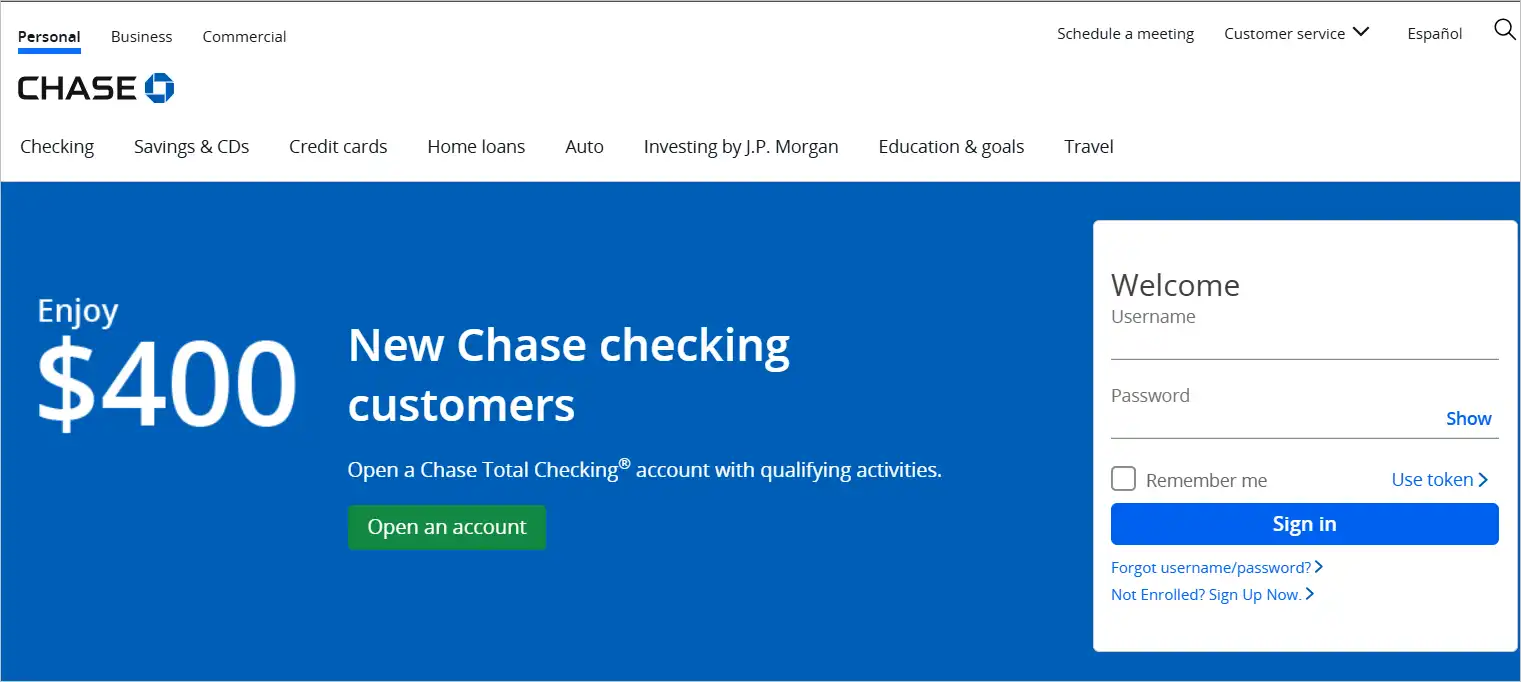
With real-time alerts, AI-powered financial tools, and personalized advice, Chase Bank keeps users informed and in control of their finances.
Key takeaway: Omnichannel CX works best when customer data updates seamlessly across both digital and physical touchpoints.
Sephora
Sephora bridges online and in-store shopping experiences. With one Beauty Insider account, customers earn and redeem rewards seamlessly, no matter where they shop.

Shoppers can virtually try products in the app, then test or pick them up in-store. Their beauty profile syncs across all channels, enabling personalized recommendations whether online or in person.
Key takeaway: A unified customer profile enables personalization and creates a smoother cross-channel journey.
Spotify
Spotify maintains the standard for omnichannel engagement by offering a consistent, personalized experience across smartphones, desktops, and smart speakers. Users can start a playlist on one device and seamlessly continue on another.
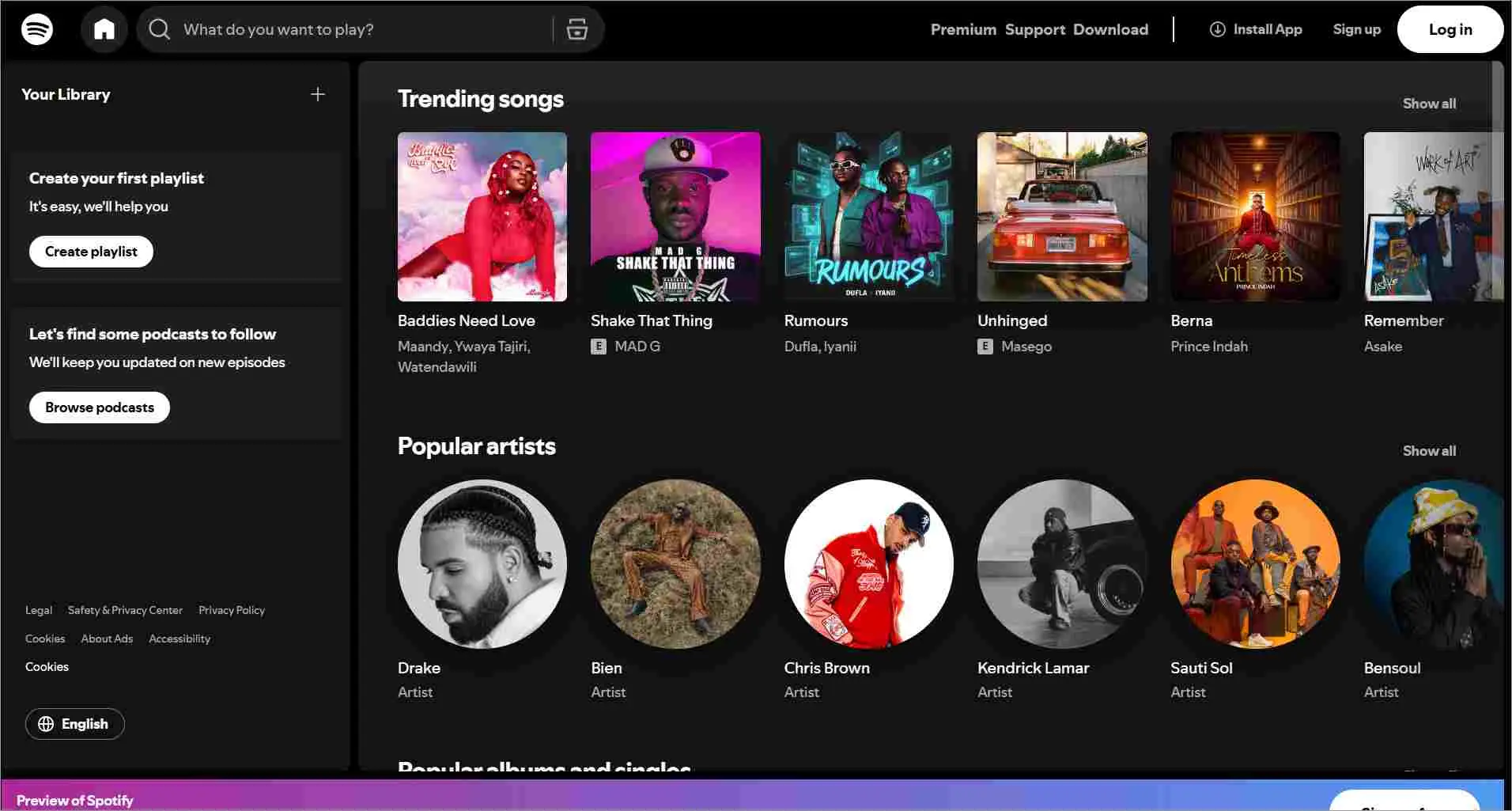
Its recommendation engine uses data and machine learning to curate playlists like Discover Weekly and Daily Mix, keeping users engaged across channels.
Key takeaway: Preserving context across devices keeps customers engaged longer and returning more often.
Starbucks
Starbucks connects its mobile app, loyalty program, and physical stores to create a seamless customer journey. Customers can order ahead, pay, earn rewards, and receive personalized offers from a single account.
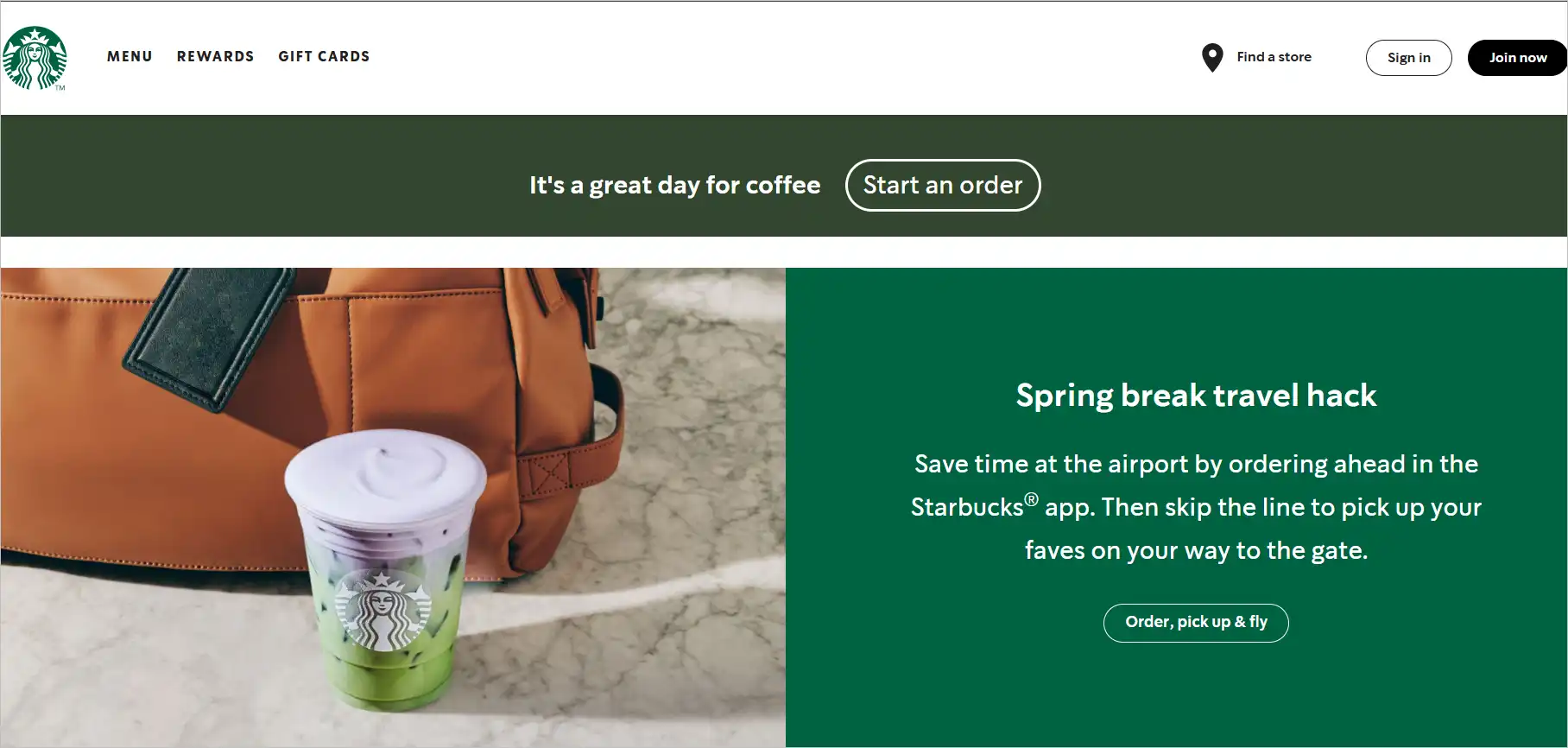
Their activity stays synced across channels, so they can start on mobile and complete the experience in store without friction.
Key takeaway: Connecting ordering, payments, loyalty, and fulfillment across channels reduces effort and strengthens repeat engagement.
Amazon
Amazon’s omnichannel customer engagement strategy centers on creating a frictionless shopping experience across devices and platforms.
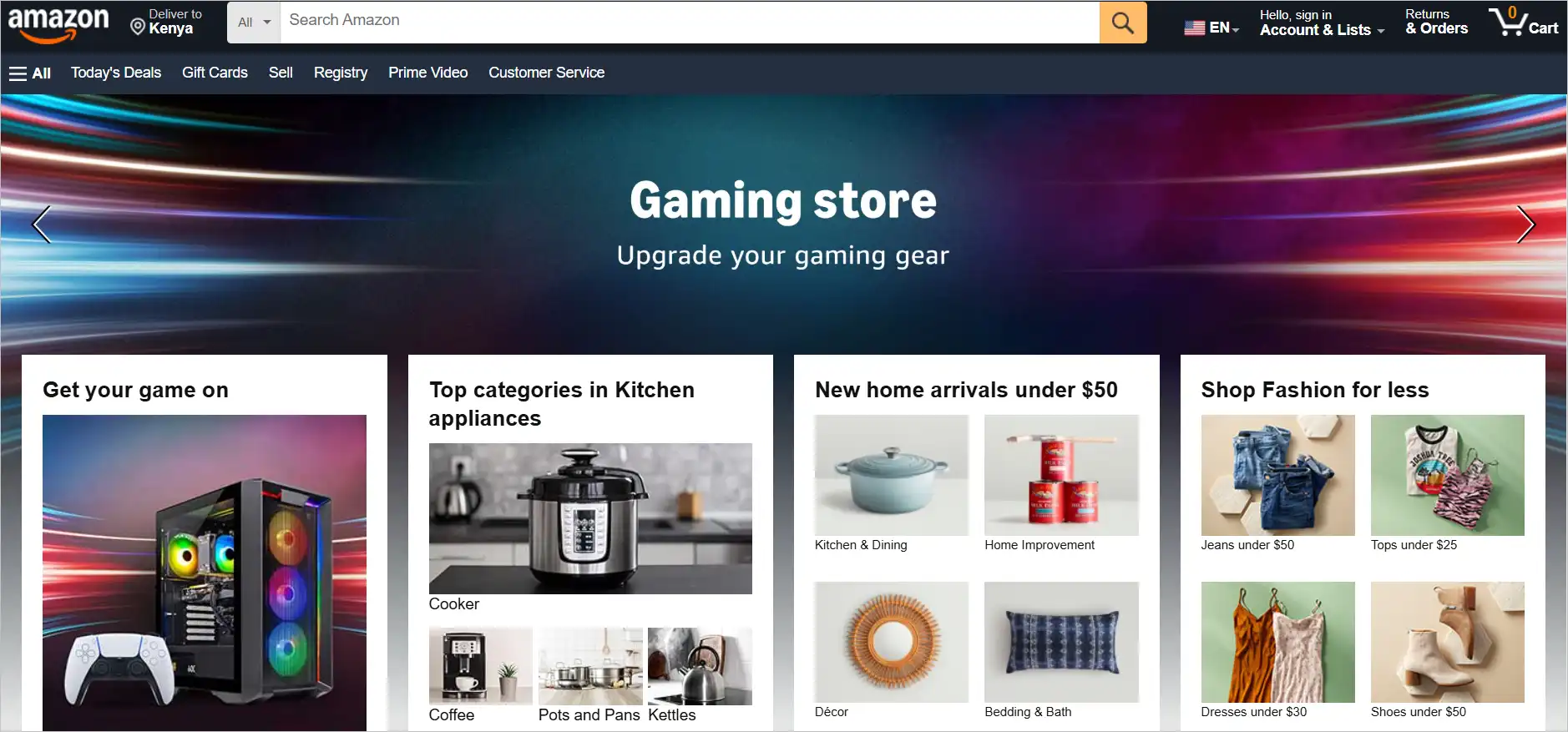
Customers can browse on mobile, order via Alexa, and pick up items at Amazon Go stores, all while enjoying consistent service and data-driven recommendations.
Key takeaway: Removing channel boundaries accelerates purchasing decisions and improves convenience.
Transform support with an omnichannel customer experience strategy
Customer expectations are no longer tied to individual channels; they’re shaped by the overall experience. Businesses that deliver connected, consistent support don’t just meet expectations; they gain a clear competitive advantage.
By unifying channels and preserving context across every interaction, omnichannel strategies reduce friction, build trust, and help customers feel genuinely valued.
BoldDesk helps make this shift simple by centralizing communication, improving agent productivity, and enabling scalable omnichannel support without added complexity or cost.
Ready to elevate your customer experience? Contact our support team to start your free trial today and see how easily BoldDesk can transform your support operations.
We’d love to hear from you! Share your thoughts, feedback, or ideas in the comments below. Your insights help us create even better experiences.
Related articles
- Multichannel vs Omnichannel Customer Support: Understanding the Key Differences
- Omnichannel Customer Engagement: Unifying Your Support Channels
- Next-Level Support in BoldDesk: Live Chat and Omnichannel
Frequently Asked Questions
Help desk or customer service software with built-in omnichannel support is ideal for delivering a seamless omnichannel customer experience.
For example, platforms like BoldDesk offer powerful features like an omnichannel inbox, a unified ticketing system, AI-powered CX automation, and live chat.
An omnichannel customer experience strategy elevates customer satisfaction by delivering swift, seamless responses and highly personalized support.
It empowers customers with the freedom to engage effortlessly across their preferred channels, creating a consistent and cohesive journey that fosters customer happiness and satisfaction.
Key metrics for tracking omnichannel CX success include customer satisfaction score (CSAT), net promoter score (NPS), and customer effort score (CES).
You can also monitor first contact resolution, average response time, channel engagement, and agent productivity to ensure seamless service and consistent experiences.
Businesses can strike this balance by automating routine tasks like order tracking or FAQs while reserving human support for complex, emotionally sensitive, or high-stakes issues.
Continuously adapting based on customer feedback and behavior ensures that automation enhances, rather than replaces, the human touch.
Omnichannel customer experience ensures journey continuity by preserving conversation history, preferences, and context across channels. This allows customers to move between touchpoints such as chat, email, or social media, without restarting interactions, resulting in smoother and more consistent experiences.